
What Features Can Be Added to a Custom Gas Generator Set?
A custom gas generator set is not simply a standard engine and alternator with a different paint color. It is a power package configured around the site, fuel, load profile, operating duty, local rules, and maintenance plan. As a generation-system selection engineer, I start with the questions that change the package: What gas is actually available? Is the load steady, motor-heavy, or highly variable? Is the unit prime power, peak shaving, or emergency backup? Those answers determine which options add value and which only add cost.
The aim of a custom gas generator set is to make the equipment fit the operating boundary instead of forcing the site to adapt to a generic package. The following checklist helps project teams specify features in a practical order.
Start with the fuel and engine configuration
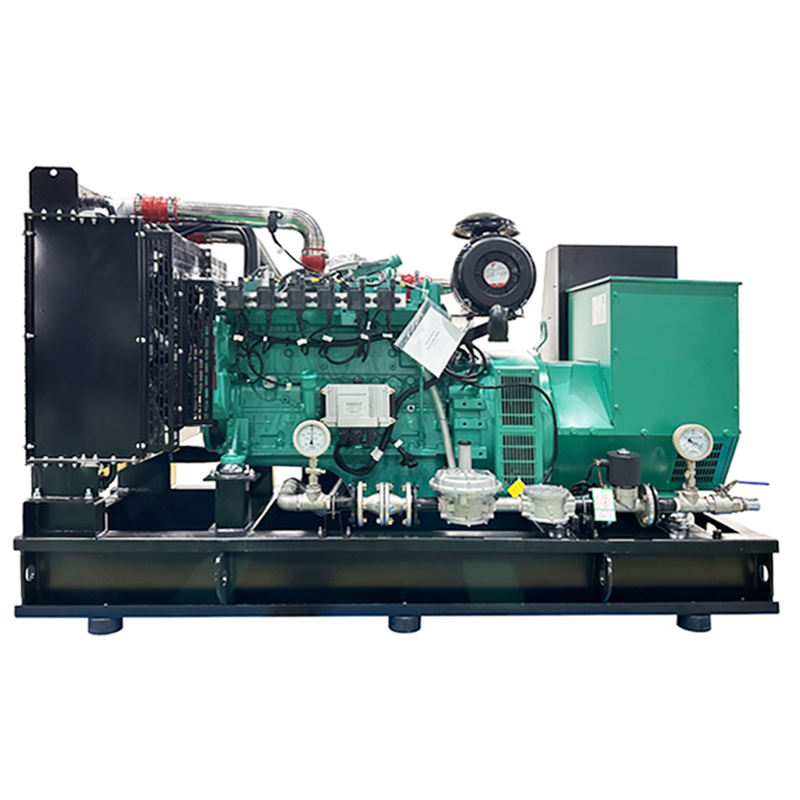
Fuel quality is one of the first design inputs for a gas generator set. Natural gas, biogas, LPG, hydrogen blends, and associated gas do not behave identically at the engine inlet. Pressure stability, methane content, contaminants, moisture, and heating value can affect derating, controls, and gas-treatment needs. A project can therefore add a gas train with pressure regulation, filtration, shutoff valves, gas detection, metering points, and a control interface for upstream treatment equipment.
For biogas or other variable fuels, a gas generator set may need gas conditioning, condensate management, and control logic that responds safely to out-of-range fuel conditions. It is better to state the expected gas envelope in the specification than to assume a nominal fuel composition. A custom gas generator set can also be configured for a named fuel source or a reviewed blend range, subject to the engine maker’s approval.
Match power rating and alternator features to the load
Power rating should be selected from measured or calculated demand, starting current, load steps, altitude, ambient temperature, and future expansion. A gas generator set serving pumps, compressors, cranes, or other motor loads may benefit from alternator and voltage-regulation choices designed for starting transients. A site with sensitive electronics may prioritize voltage regulation, waveform performance, and coordinated protection instead.
- Prime, standby, or continuous-duty rating: define the intended operating profile before comparing kW figures.
- Alternator and AVR selection: tailor excitation and voltage response to the load.
- Parallel-ready controls: allow a gas generator set to share load with another generator or the utility where the project design permits.
- Load-management functions: stage noncritical loads or start additional capacity as demand rises.
That distinction matters: oversized capacity can reduce operating efficiency at light load, while undersized capacity can cause poor starting performance or nuisance trips. The useful target is a gas generator set with enough margin for verified load events, not an arbitrary oversize factor.
Add controls, monitoring, and communications
Controls are often the highest-value customization because they turn a gas generator set into a manageable power asset. A controller can provide local start/stop, automatic mains-failure operation, alarms, event logs, and engine protection. For multi-unit plants, synchronizing and load-sharing panels can coordinate run hours and capacity.
Remote monitoring options can include Ethernet, cellular, Modbus, or other project-approved protocols. Useful signals typically include operating status, kW and electrical measurements, alarm history, fuel pressure, coolant temperature, battery condition, and maintenance hours. The right approach is to identify the facility’s existing SCADA or building-management interface before selecting communications hardware.
Automatic transfer switch coordination is another common addition. In an emergency application, the gas generator set, transfer equipment, starting system, and fuel supply must be considered as one system. NFPA 110 is commonly referenced for emergency power systems; its applicability, system class, and local adoption should be confirmed with the responsible engineer and authority having jurisdiction.
Configure the enclosure for the installation environment
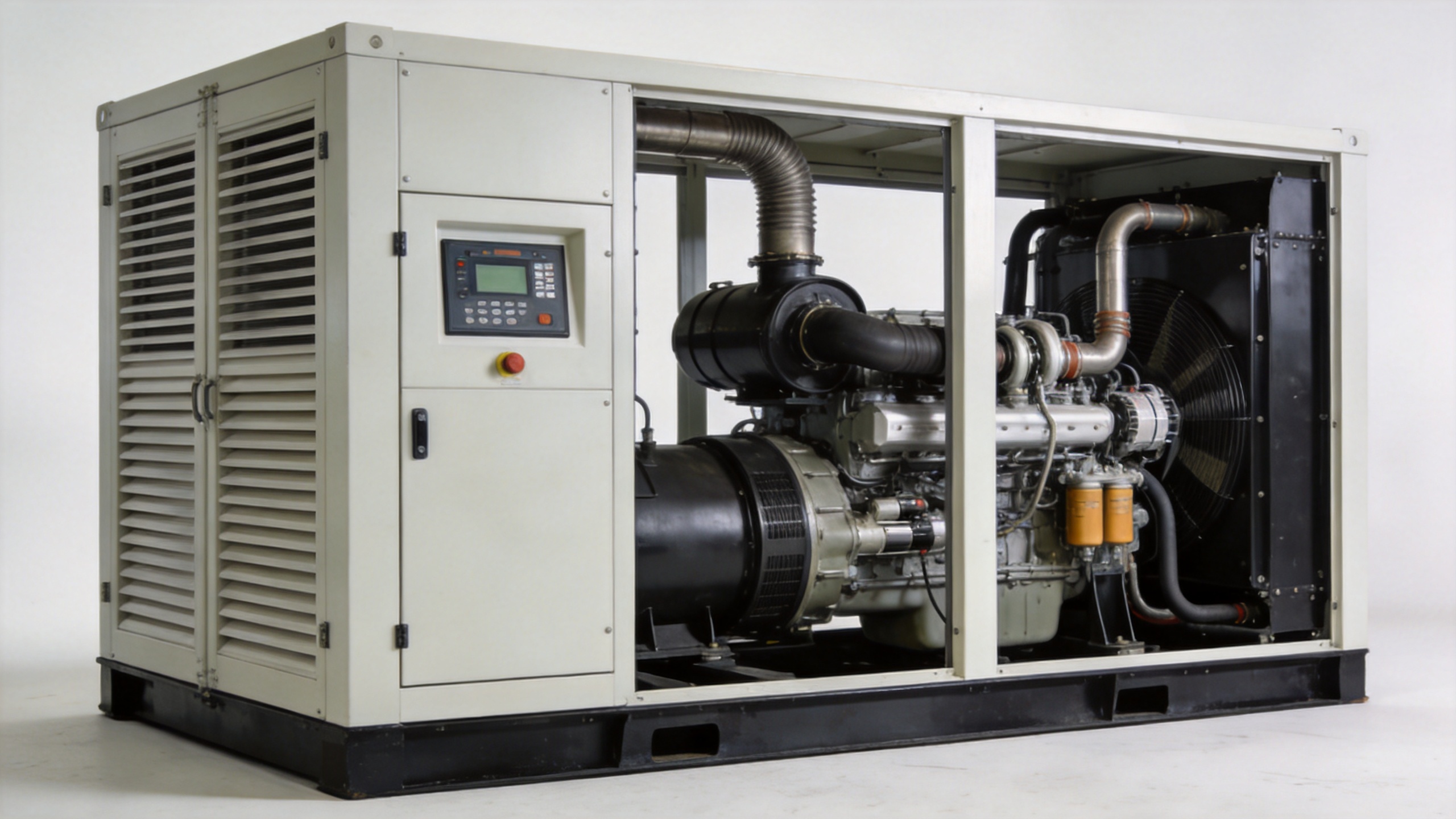
An enclosure is more than weather protection. A custom gas generator set can use an outdoor weatherproof enclosure, a sound-attenuated canopy, or a containerized package depending on noise limits, climate, access, and transport. Acoustic treatment, intake and discharge silencers, ventilation sizing, louvers, and internal lighting can all be specified around the location.
For coastal, dusty, hot, or cold locations, ask how corrosion protection, filtration, heater circuits, and cooling performance will be addressed. Cold-start aids and battery chargers may be useful where temperatures fall; enhanced filtration and maintenance access are important in dusty areas. In every case, airflow must remain adequate after acoustic and weather-protection features are added.
Specify emissions, exhaust, and safety options early
Emissions requirements are site-specific. In the United States, EPA requirements for stationary spark-ignition engines vary by power, fuel, application, and other factors. Other jurisdictions use different rules. A gas generator set may therefore need an emissions-control package, catalyst provisions, sampling points, exhaust routing, or documentation suited to the permitting path. These features should be reviewed before manufacturing, not added after installation.
Safety additions can include emergency-stop stations, gas-leak detection, ventilation interlocks, fire detection interfaces, battery isolation, insulated exhaust sections, and guarded hot surfaces. The final safety scheme should follow the project risk assessment and applicable codes. No single option makes a gas generator set suitable for every site.
Plan service access and lifecycle support
Good customization also makes maintenance simpler. Consider service-side clearances, removable panels, lifting points, drain routing, fluid-fill access, local instruments, spare-parts recommendations, and preventive-maintenance alarms. If the unit is expected to run in parallel or in a remote location, clear fault records and remote diagnostics can reduce troubleshooting time.
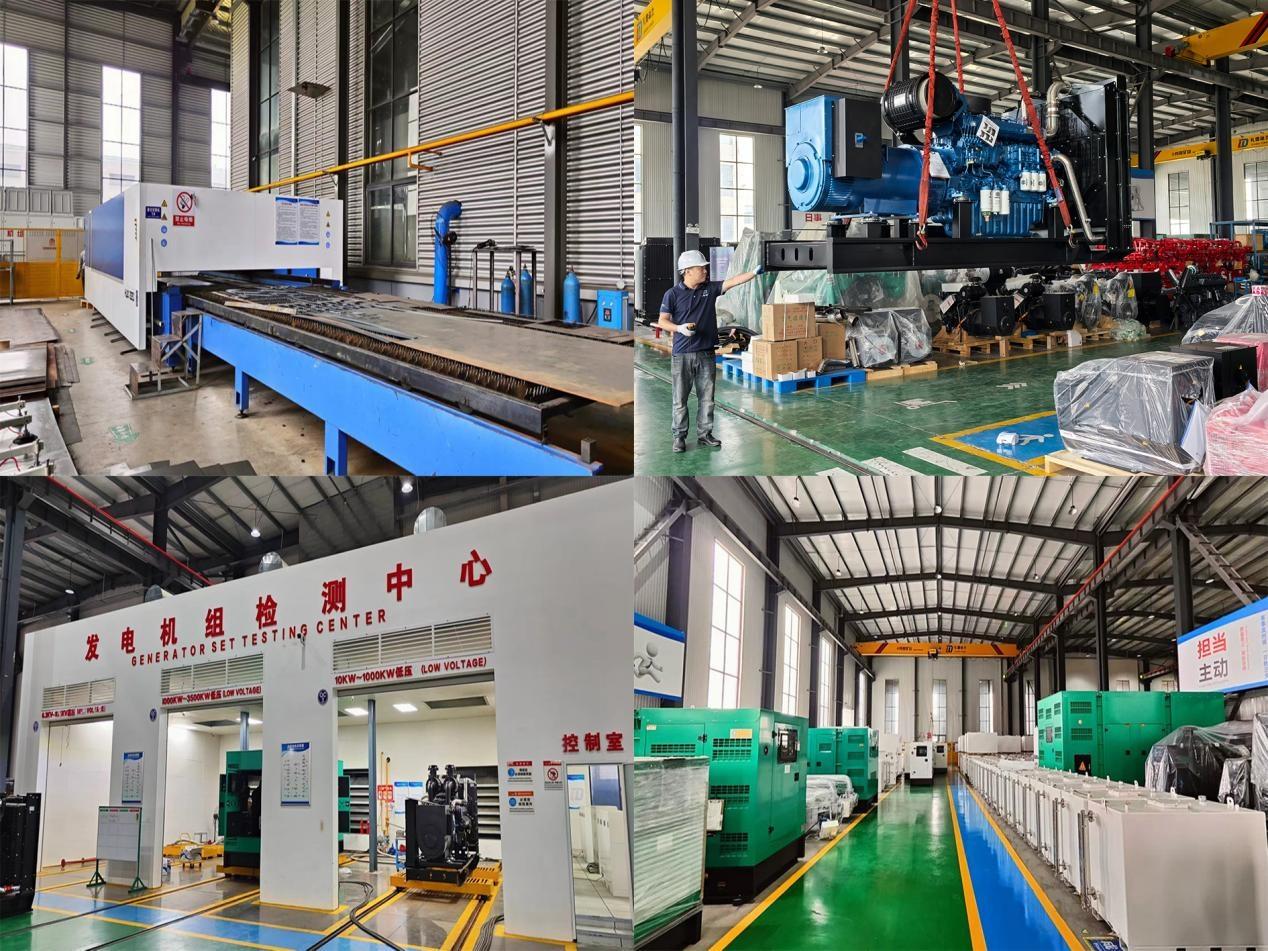
Jiangsu Keya New Energy works across natural-gas, biogas, hydrogen, methanol, and LPG power directions and can frame discussions around R&D, design, manufacturing, installation, and after-sales support. The appropriate configuration still depends on confirmed project data rather than a catalog assumption.
A practical feature checklist
- Confirm fuel composition, pressure, flow stability, and any treatment requirement.
- Define peak load, motor starts, load steps, duty cycle, and growth allowance.
- Select the gas generator set rating, alternator response, and protection philosophy.
- Choose controls, transfer equipment, synchronization, and remote communications.
- Review enclosure, noise, ventilation, climate, exhaust, and access constraints.
- Validate emissions, safety, and emergency-power requirements with local project authorities.
- Document acceptance testing, service access, and maintenance responsibilities.
In short, the most suitable features for a custom gas generator set are the ones that solve a verified site requirement. A structured technical review before ordering helps align fuel handling, electrical performance, controls, environmental protection, and serviceability into one dependable package.
 Hot News