
How Does a Gas Natural Generator Compare to Grid Power?
For a facility manager, the useful question is rarely whether a natural gas generator is “better” than grid power. The practical question is which source should carry which load, under what conditions, and with what safeguards. Grid service is normally the most straightforward source for everyday operation. A natural gas generator can add resilience, local capacity, or a planned backup path when an outage, voltage event, or operating constraint would be expensive.
From a power-system selection perspective, start with the load profile, the gas-supply boundary, and the transfer arrangement. Then compare operating cost, reliability, controls, maintenance, and permitting in the same decision sheet. That sequence produces a more useful answer than comparing nameplate ratings alone.
Grid Power and a Natural Gas Generator Serve Different Jobs
Utility power is usually the default choice because it avoids on-site fuel conversion, routine engine maintenance, and local dispatch responsibility. It can be economical for stable, continuously connected loads where service quality is adequate and the tariff structure fits the operating schedule. The facility still depends on the utility network, however, so a site may be exposed to outages, planned interruptions, demand charges, or local capacity limits.
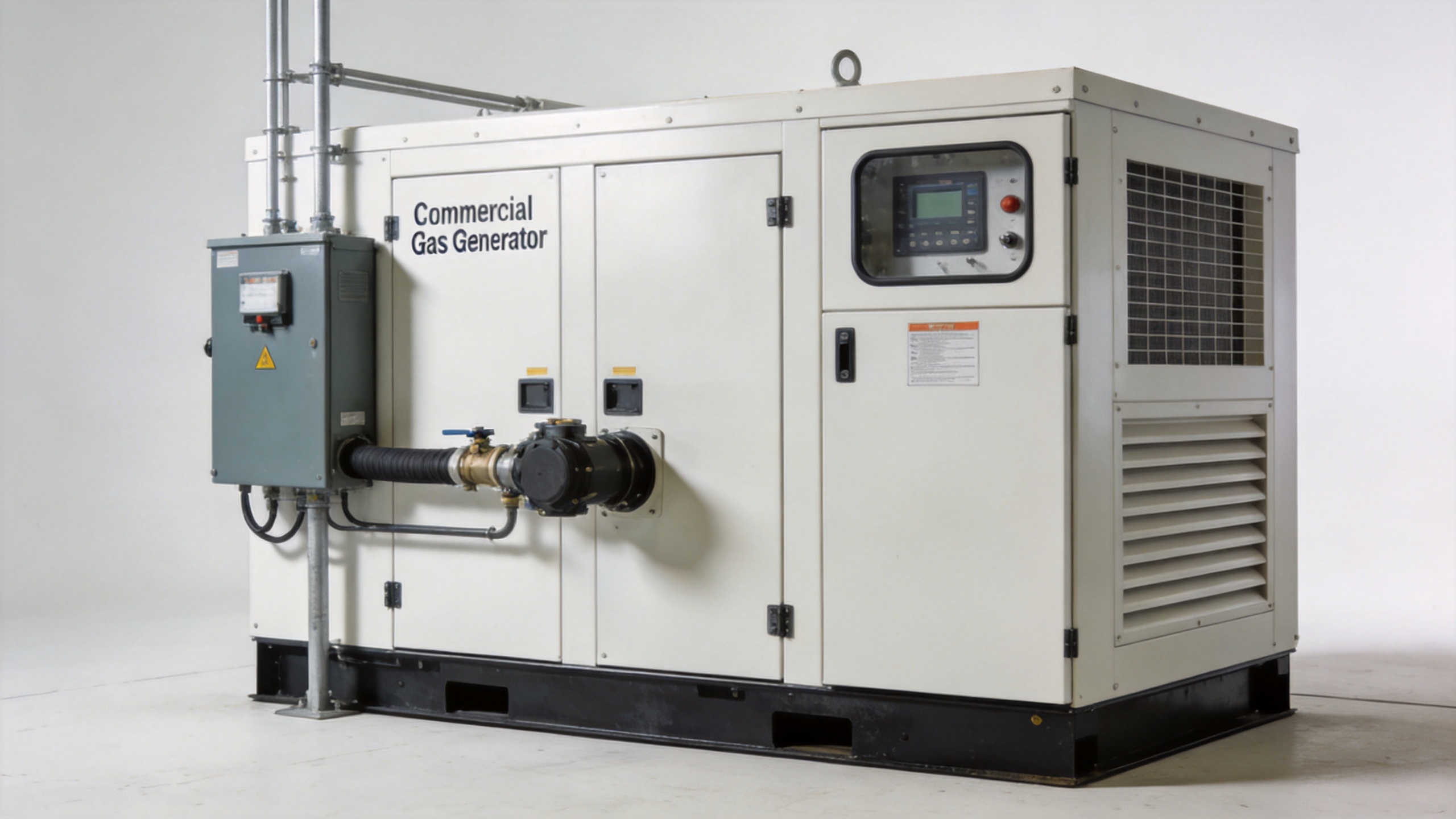
A natural gas generator converts an available gas supply into electricity at the site. It is commonly evaluated as standby power, peak-support power, or part of a hybrid arrangement rather than as an automatic replacement for the grid. The value is not simply that it makes electricity; it is that the owner can define critical loads and create an independent operating path when utility supply is unavailable or unsuitable.
The phrase gas natural generator is often used in purchasing searches to describe the same fuel pathway. In an engineering discussion, clarify the actual fuel quality, pressure, treatment needs, and supply continuity before assuming two gas-based sets are interchangeable.
A Side-by-Side Comparison for Project Decisions
| Decision factor | Grid power | Natural gas generator |
|---|---|---|
| Daily operating role | Typically the primary source for normal connected loads. | Often standby, peak support, or a defined local generation role. |
| Outage exposure | Depends on utility-network performance and restoration priorities. | Can support selected loads if the set, gas supply, and transfer system are available. |
| Cost inputs | Tariff, demand, connection, power quality, and outage impact. | Equipment, installation, gas, maintenance, testing, controls, and downtime planning. |
| Operational responsibility | Limited on-site generation maintenance, but less direct control over upstream events. | Requires inspection, test runs, maintenance planning, and operator or service support. |
| Expansion flexibility | May be constrained by service capacity or connection requirements. | Requires load study, fuel verification, exhaust and noise planning, and system integration. |
Neither column wins by default. A site with reliable utility service and low outage consequences may obtain little value from running local generation continuously. A water-treatment, telecom, transport, or municipal facility with a narrow tolerance for interruption may place more value on a standby natural gas generator, even if it runs only during tests and events.
Reliability Depends on the Whole System, Not Just the Generator
It is easy to view the generator as the entire backup system. In practice, reliability also depends on starting batteries, controls, cooling, ventilation, protection settings, maintenance, and the ability of the gas supply to remain within the required operating range. Fuel availability should be verified rather than assumed: a gas network can have its own pressure, capacity, or emergency operating constraints.
Transfer equipment is equally important. A correctly selected transfer switch or switchgear arrangement separates utility and generator sources so that they are not unintentionally connected at the same time. An automatic arrangement can be configured to detect a loss of utility supply, start the generator, transfer approved loads, and return those loads only after the utility source is stable. Exact sequencing, interlocks, and protection must be designed and reviewed for the site; they should not be inferred from a generic diagram.
For this reason, a natural gas generator should be assessed with its transfer system and critical-load list. Backing up an entire plant is different from keeping essential pumps, communications, controls, emergency lighting, and selected process equipment online.
Compare Cost as a Lifecycle Question
Grid bills make the utility option look simple because costs arrive in a familiar monthly format. Still, a complete comparison can include connection upgrades, tariff periods, demand exposure, power-factor arrangements, production losses during an interruption, and the cost of restarting sensitive processes.
For a natural gas generator, the initial package is only one part of the calculation. Include engineering, civil work, exhaust routing, acoustic treatment, gas piping, electrical distribution, transfer equipment, commissioning, scheduled maintenance, spare parts, periodic testing, and fuel consumption at the expected load. Do not use a supplier’s generic fuel-rate example as a project budget. Fuel quality, ambient conditions, load factor, configuration, and local gas pricing all affect the outcome.
A useful approach is to create two cases: normal operation and disruption operation. In the first, compare routine energy and maintenance costs. In the second, estimate the consequences of losing each critical load for a given period. That makes resilience visible without claiming that local generation necessarily reduces total energy cost.
Load Profile Usually Decides the Right Architecture
Start by sorting loads into three groups: life-safety or compliance loads, process-critical loads, and loads that can wait. Record starting currents, motor loads, non-linear loads, future expansion, and the maximum simultaneous demand. A generator sized only for the sum of steady-state nameplate values may not perform as intended during starting events or step changes.
Next, decide whether the natural gas generator is intended for short standby events, long-duration resilience, planned peak periods, or islanded operation. Each role changes the controls, fuel analysis, maintenance regime, and economics. An installation intended to operate alongside the grid requires particular attention to interconnection rules, protection coordination, metering, and approvals. These details are project-specific and should be confirmed with qualified electrical and gas professionals.
When Each Option Is Usually the Better Fit
Grid power is often the practical primary choice when:
- Utility reliability is proven and interruption consequences are manageable.
- The site has predictable loads and sufficient service capacity.
- The organization does not need on-site backup beyond limited emergency provisions.
- Operating staff and maintenance resources for generation are not available.
A natural gas generator is worth evaluating when:
- Critical operations need a planned source during utility interruptions.
- A stable, verified gas supply is available at the required pressure and capacity.
- The project can support installation, maintenance, inspection, and periodic test requirements.
- The owner needs a staged resilience plan alongside grid power, storage, or renewable generation.
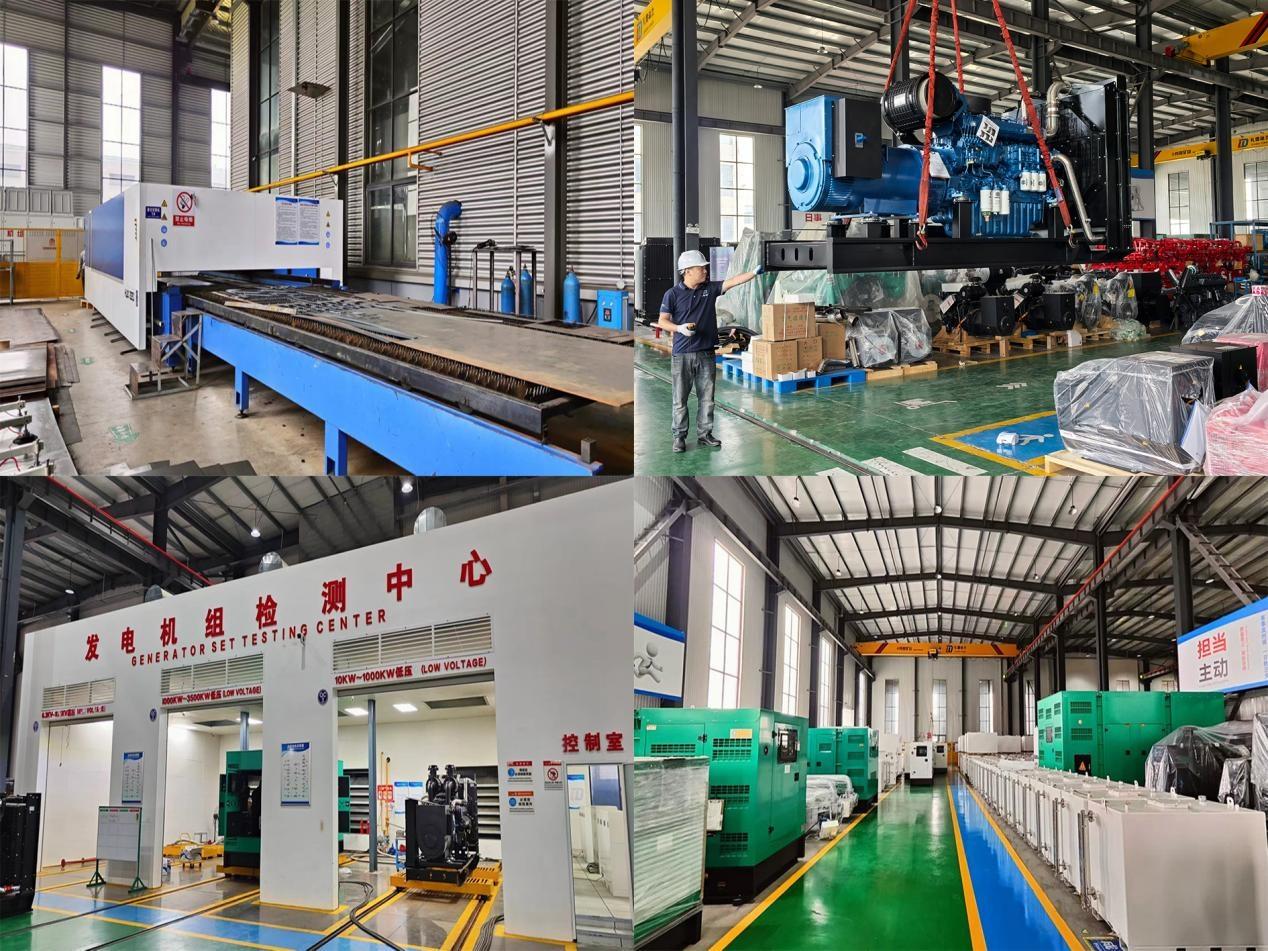
Jiangsu Keya New Energy works across natural-gas generation and integrated new-energy solution directions. For a project inquiry, the most helpful starting information is not a preferred model name; it is the site voltage, load schedule, critical-load list, available gas information, installation constraints, and the required operating role.
A Short Evaluation Checklist
- Define normal, critical, and deferrable loads.
- Document outage tolerance and the required transition time.
- Verify gas composition, pressure, capacity, and continuity with the responsible supplier.
- Review transfer, protection, grounding, interconnection, noise, ventilation, and exhaust requirements.
- Compare lifecycle cost categories rather than purchase price alone.
- Plan testing, maintenance, spare parts, and responsibility for emergency response.
Conclusion: Use the Grid for Service, Add Generation for a Defined Need
Grid power and a natural gas generator are often complementary. The grid can remain the efficient everyday supply, while local generation protects selected loads or supports a carefully defined operating scenario. The right choice comes from verified site conditions, not from a universal claim about which source is cheaper or more reliable. If the fuel boundary, load profile, transfer design, and maintenance plan align, a gas-based standby system can turn an outage plan into an operationally manageable one.
 Hot News