

How Does a Bi Fuel Generator Diesel and Natural Gas Save Money?
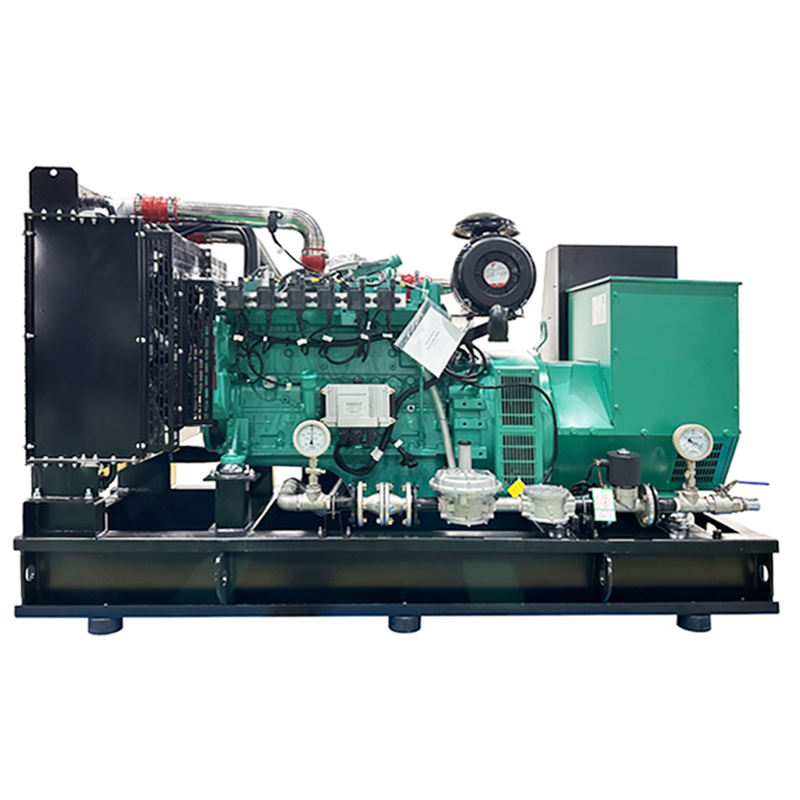
A natural gas generator can reduce operating cost when it is used in a bi-fuel configuration with a diesel engine, but the saving is not automatic. The practical question is not whether gas has a lower price in every situation. It is whether a site can replace enough diesel energy with pipeline or supplied natural gas, at a stable load and tariff, to recover the cost of gas equipment, controls, commissioning, and ongoing maintenance.
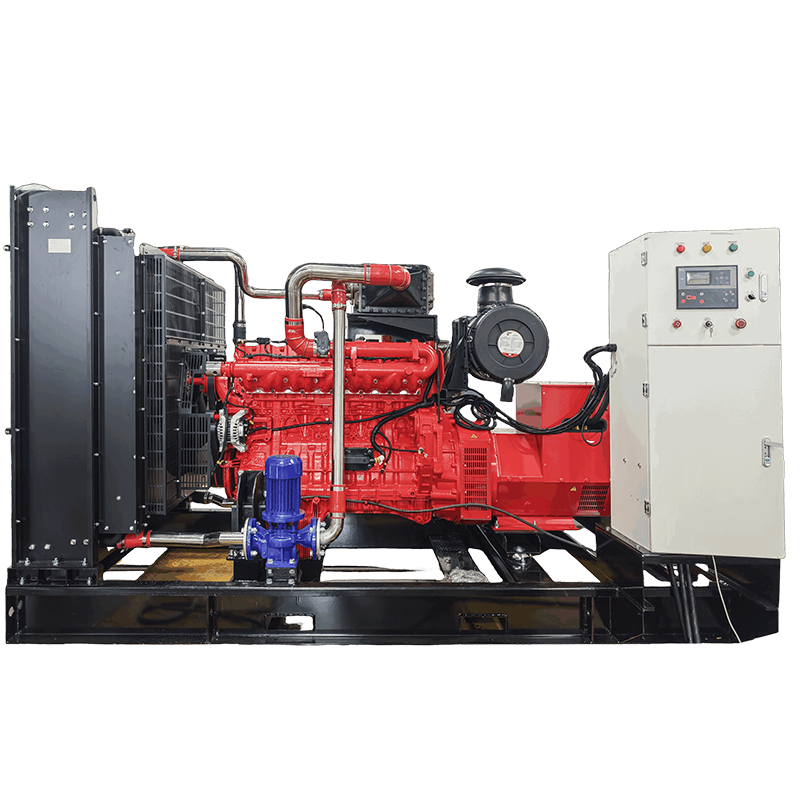
From a system-selection engineer’s perspective, the first useful step is to model cost per delivered kilowatt-hour instead of comparing fuel prices alone. A bi fuel generator diesel and natural gas system normally keeps diesel as the ignition or pilot fuel while adding gas through a controlled mixing system. That arrangement can preserve the familiar diesel engine platform while reducing the volume of diesel purchased during suitable operating periods.
Where the saving comes from
The direct saving comes from fuel substitution. When natural gas has a lower delivered energy cost than diesel at a particular site, each unit of diesel energy displaced can lower the fuel portion of the electricity cost. A commercial dual-fuel conversion provider describes diesel substitution in an approximate 50% to 70% range under appropriate conditions. That is an illustrative vendor range, not a project guarantee: the achievable figure depends on the engine, gas quality, control calibration, ambient conditions, and how the load changes over time.
For a facility with many operating hours, small changes in the blended fuel cost can accumulate. A natural gas generator arrangement may also reduce exposure to diesel delivery scheduling, bulk-tank inventory, and some handling losses. These are operating considerations, not universal savings. If natural gas must be trucked in at a premium, if pressure is inconsistent, or if the unit runs only a few hours a year, the benefit can shrink quickly.
Why diesel remains part of the economics
It is easy to assume that a higher gas share necessarily means more savings. A more accurate view is that the diesel portion still supports ignition and transient performance. During startup, rapid load acceptance, gas interruption, or operating conditions outside the approved blending envelope, the control system may reduce gas substitution or return to diesel-heavy operation. This is why a bi-fuel design should be evaluated as a controlled operating strategy rather than as a simple fuel swap.
That flexibility can be valuable. A site that needs robust response to changing loads may retain diesel capability while using gas for steady periods. The economic model should therefore use real load bands: base load, common running load, peak events, and low-load hours. A natural gas generator installation that looks attractive at a stable 70% load may deliver a different result if it spends most of its time lightly loaded or repeatedly cycling.
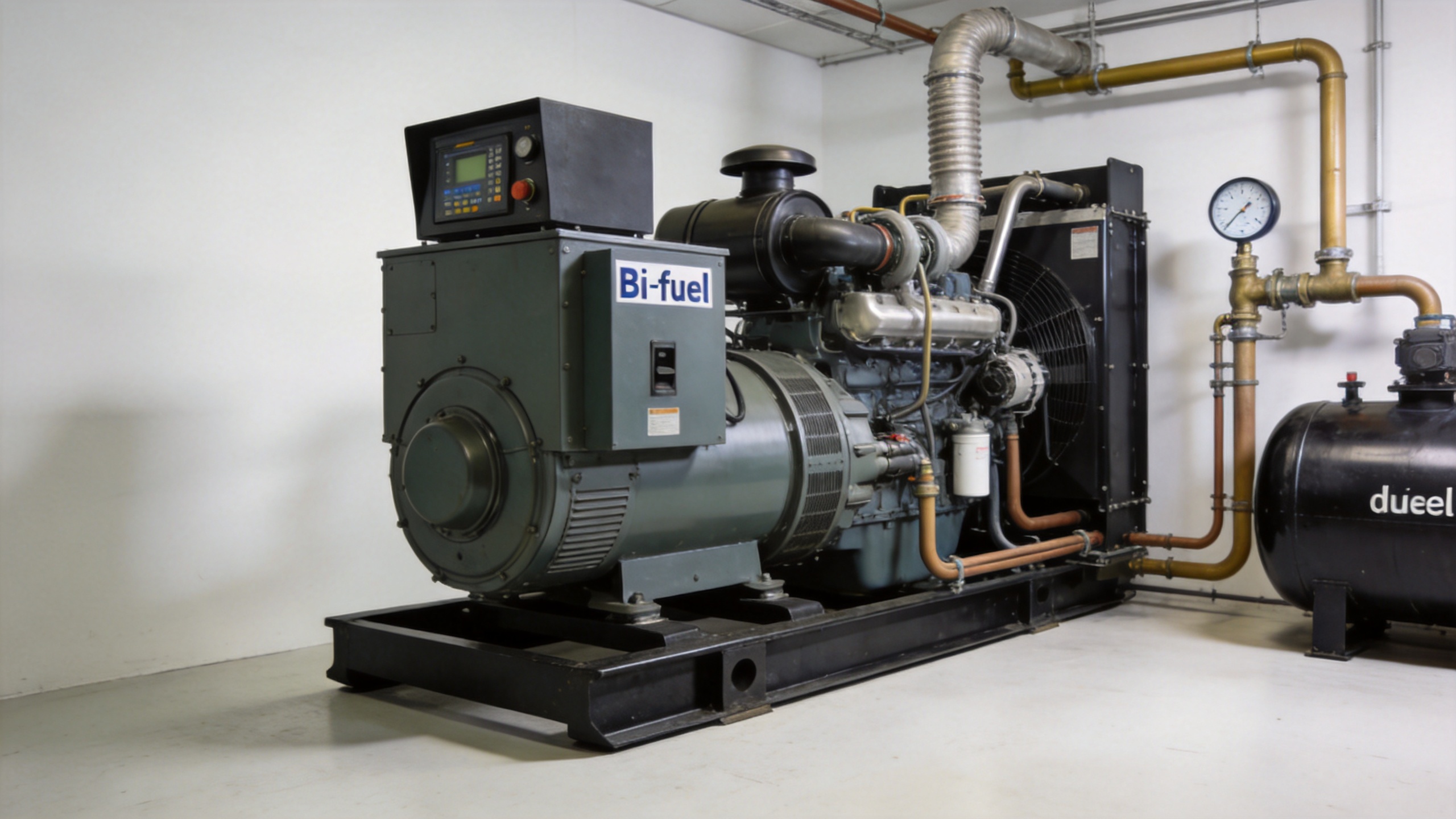
Calculate the right number: blended cost per kWh
A practical estimate starts with metered or documented inputs rather than nameplate assumptions. Record the diesel fuel rate at representative loads, the natural-gas energy content and delivered price, expected substitution rate, annual run hours, and the generator’s useful electrical output. Then compare the estimated blended fuel cost with the all-diesel baseline on the same kWh basis.
| Cost input | Why it matters | What to verify |
|---|---|---|
| Diesel delivered price | Defines the baseline fuel cost | Include delivery, storage, and handling costs |
| Natural-gas delivered price | Determines the replacement fuel cost | Confirm tariff, pressure, volume charges, and curtailment terms |
| Substitution rate | Sets how much diesel is actually displaced | Use site testing or supplier-supported engine data |
| Load profile and hours | Shows which operating periods can use gas effectively | Use logged load data, not only peak demand |
| Conversion and gas-supply cost | Determines payback and lifecycle economics | Include controls, piping, regulation, safety work, and commissioning |
The calculation should also allow for maintenance and downtime planning. Cost judgment should not focus only on the purchase price; it should include fuel, inspections, consumables, operator training, gas-system checks, and the cost of an interruption. Jiangsu Keya New Energy positions its work around new-energy and energy-storage applications, so a project discussion can also consider how generation and storage schedules affect generator runtime. The final design still needs site-specific engineering review.
When a bi-fuel arrangement is more likely to work
- Long or frequent runtime: More operating hours give fuel savings more opportunity to offset conversion and infrastructure costs.
- Stable, available gas supply: Adequate pressure, metering, and supply terms are essential; a low nominal gas price is not enough.
- Predictable mid-to-high load: A controlled bi fuel generator diesel and natural gas setup is generally easier to optimize when the load has a repeatable pattern.
- Clear diesel logistics costs: Remote delivery, storage management, and inventory risk can make the all-diesel baseline more expensive than the pump price suggests.
- Retention of diesel fallback: The ability to operate on diesel can protect continuity when gas is limited or the operating envelope changes.
Costs that can erase the apparent saving
Gas piping, pressure regulation, valves, detection, ventilation requirements, controls, commissioning, and permits can create significant initial work. The exact scope depends on local code, generator model, and site layout. Do not offset these costs with a generic saving percentage. Instead, request a scope that separates one-time installation cost from recurring operating cost.
Maintenance planning also matters. A natural gas generator system adds gas-side components that need inspection and calibration. Poor gas quality, unstable pressure, or incorrect control settings can reduce substitution and affect performance. A low-initial-price proposal may not be the lowest lifecycle-cost option if it lacks clear commissioning limits, operator training, or service support.
A sensible decision process
- Collect at least several weeks of generator load and runtime data.
- Obtain delivered diesel and natural-gas price schedules, including non-fuel charges.
- Confirm gas availability, pressure, quality, and any supply restrictions.
- Ask for an engine-specific substitution range and the conditions behind it.
- Compare all-diesel and blended operation using the same kWh, maintenance, and downtime assumptions.
- Validate the estimate with a controlled commissioning test before treating it as a budget commitment.
In short, a natural gas generator used with diesel saves money when lower-cost gas reliably replaces a meaningful share of diesel during enough operating hours to cover the added system cost. The right result is a transparent, site-specific model—not a headline percentage. With measured load data and clear gas-supply assumptions, operators can decide whether bi-fuel operation is a practical way to lower lifecycle cost while retaining diesel backup capability.
 Hot News