
Is Bio Gas to Electricity Conversion Economically Viable?
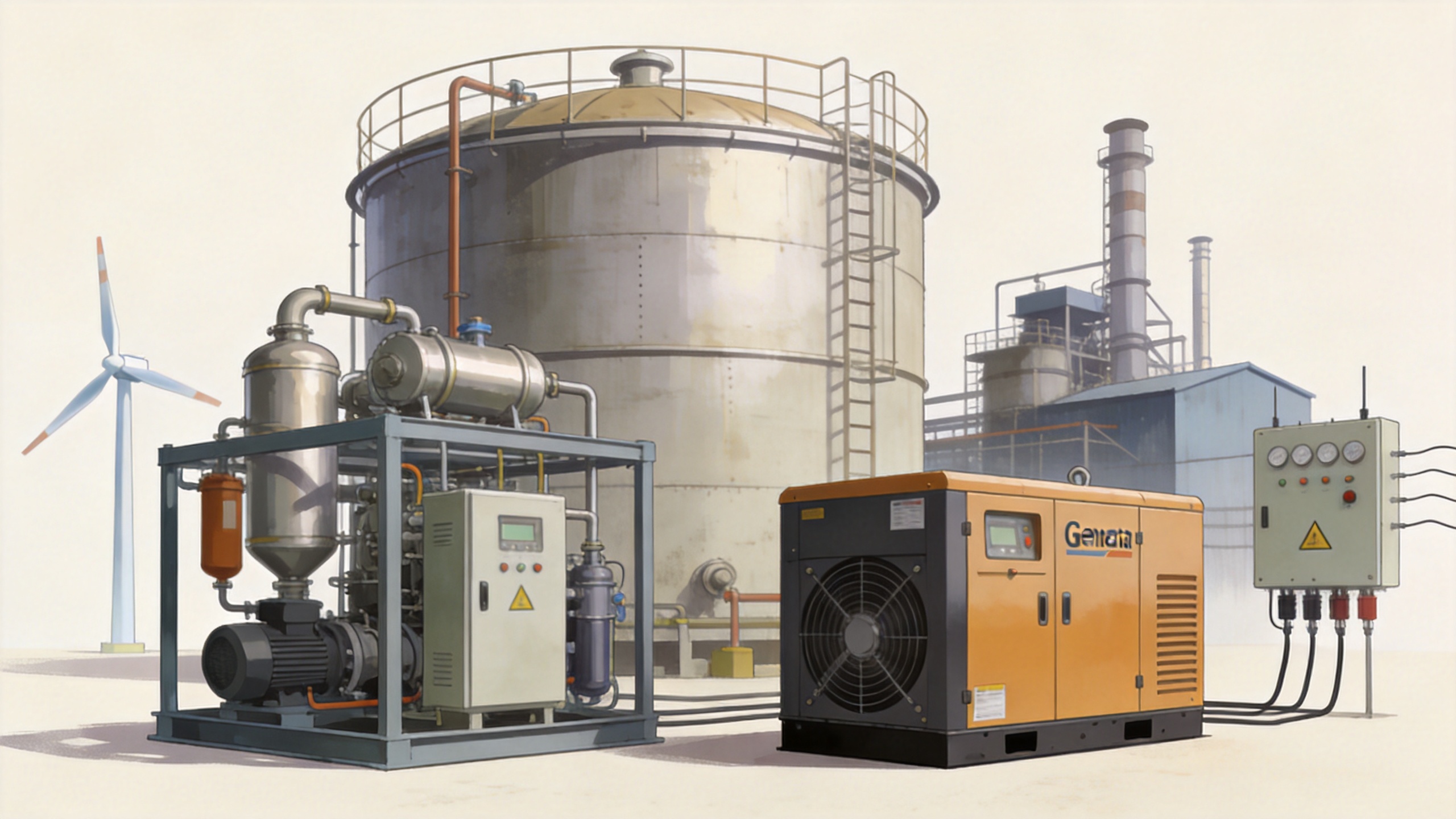
For a farm, food-processing site, wastewater facility, or landfill, the question is rarely whether methane can make power. It can. The commercial question is whether a biogas generator turns an available gas stream into reliable value after fuel treatment, maintenance, grid requirements, and financing are counted. The answer can be yes, but only when the project is assessed as a whole energy system rather than as a generator purchase.
As a power-system selection engineer, I start with a simple principle: stable, usable gas and a dependable electricity outlet matter more than an attractive nameplate capacity. A site with consistent feedstock, a clear use for electricity and heat, and disciplined operations has a much stronger business case for bio gas to electricity than a site that simply has organic waste.
The short answer: viability is site-specific
A biogas generator can be economically viable when it displaces expensive purchased electricity or fuel, avoids waste-handling costs, and operates for enough hours each year to spread fixed costs. It is less likely to work when gas volume swings sharply, gas cleaning is neglected, or exported power earns too little to cover connection and operating costs.
Biogas is not identical to pipeline natural gas. A commonly cited benchmark is that biogas containing about 60% methane has roughly 600 Btu per cubic foot, compared with approximately 1,000 Btu per cubic foot for natural gas. That difference is why final equipment sizing must use measured methane content, flow, pressure, moisture, and contaminant data—not a generic fuel assumption.
Build the economics from net usable energy
Start with metered gas production, then reduce it for flare periods, digester downtime, treatment losses, and the electricity used by pumps, blowers, heating, and controls. The remaining energy is the basis for a realistic biogas generator model. A quotation based only on theoretical methane potential can make a project appear stronger than it will be in routine operation.
| Model input | Why it changes the result |
|---|---|
| Gas flow and methane percentage | Set the actual fuel energy available to the generator. |
| Hours of stable operation | Determines annual kWh and spreads capital cost over more output. |
| Electricity value | Self-consumption can be worth more than export tariffs. |
| Heat recovery value | Useful engine heat can improve total project value where there is a steady thermal load. |
| Cleaning and service cost | Hydrogen sulfide, water, siloxanes, and particulates can increase lifecycle cost if unmanaged. |
The useful calculation is annual net benefit: electricity savings or revenue plus any defensible heat and waste-management value, less gas conditioning, service, labor, consumables, insurance, financing, and connection charges. Then compare that annual net benefit with installed capital cost, replacement reserves, and the project’s required return.
Where a biogas generator tends to create the most value
Self-use is often the first opportunity to test. If a facility consumes power during the same hours that the gas is available, every kWh produced can offset a retail purchase instead of earning a lower export price. Operations with predictable electrical demand may therefore have a clearer case than projects built around merchant power alone.
Combined heat and power can improve the picture, but heat should not be treated as free revenue. It has value only when the site can use it consistently—for digester heating, process hot water, drying, or building loads. If heat is routinely rejected, a combined-heat-and-power claim should not inflate the financial model.
There is meaningful operating evidence behind the technology. The US EPA reported 400 manure-based anaerobic digestion systems collecting biogas in the United States as of June 2024. That demonstrates established use, not automatic profitability. Each facility still needs its own feedstock, gas-quality, electrical-load, and policy assumptions tested.
Costs that are easy to underestimate
- Gas treatment: moisture removal and hydrogen-sulfide control protect the engine and affect maintenance intervals.
- Interconnection: switchgear, protection studies, meters, permits, and utility requirements can materially change installed cost.
- Redundancy: a flare, storage, or backup plan is needed when the engine is offline.
- Operations: digesters and gensets both require routine attention; unplanned downtime reduces the economics quickly.
- Replacement planning: major service events and components should be reserved for rather than ignored in a simple-payback figure.
Landfill-gas guidance similarly emphasizes gas quality and production rate alongside waste composition, volume, and technical-economic conditions. The lesson applies across bio gas to electricity projects: the fuel supply and operating plan are as important as the generator itself.
A practical screening sequence
- Collect at least representative gas-flow and methane data across normal operating conditions.
- Document hydrogen sulfide, moisture, siloxanes where relevant, pressure, and expected variation.
- Map hourly electricity use, tariff structure, export rules, and viable thermal loads.
- Size the biogas generator for dependable fuel, not the highest observed daily gas flow.
- Compare self-use, export, heat recovery, and flare cases with conservative uptime and maintenance assumptions.
- Review financing, permits, and service support before approving the final configuration.
How to make the decision with confidence
A credible feasibility study should show sensitivity, not just one payback number. Test lower methane concentration, reduced uptime, a higher cleaning budget, different electricity prices, and delayed interconnection. If the project remains acceptable under plausible downside cases, it has a durable economic basis. If the result depends on unusually favorable gas quality or optimistic export revenue, more development work is needed.
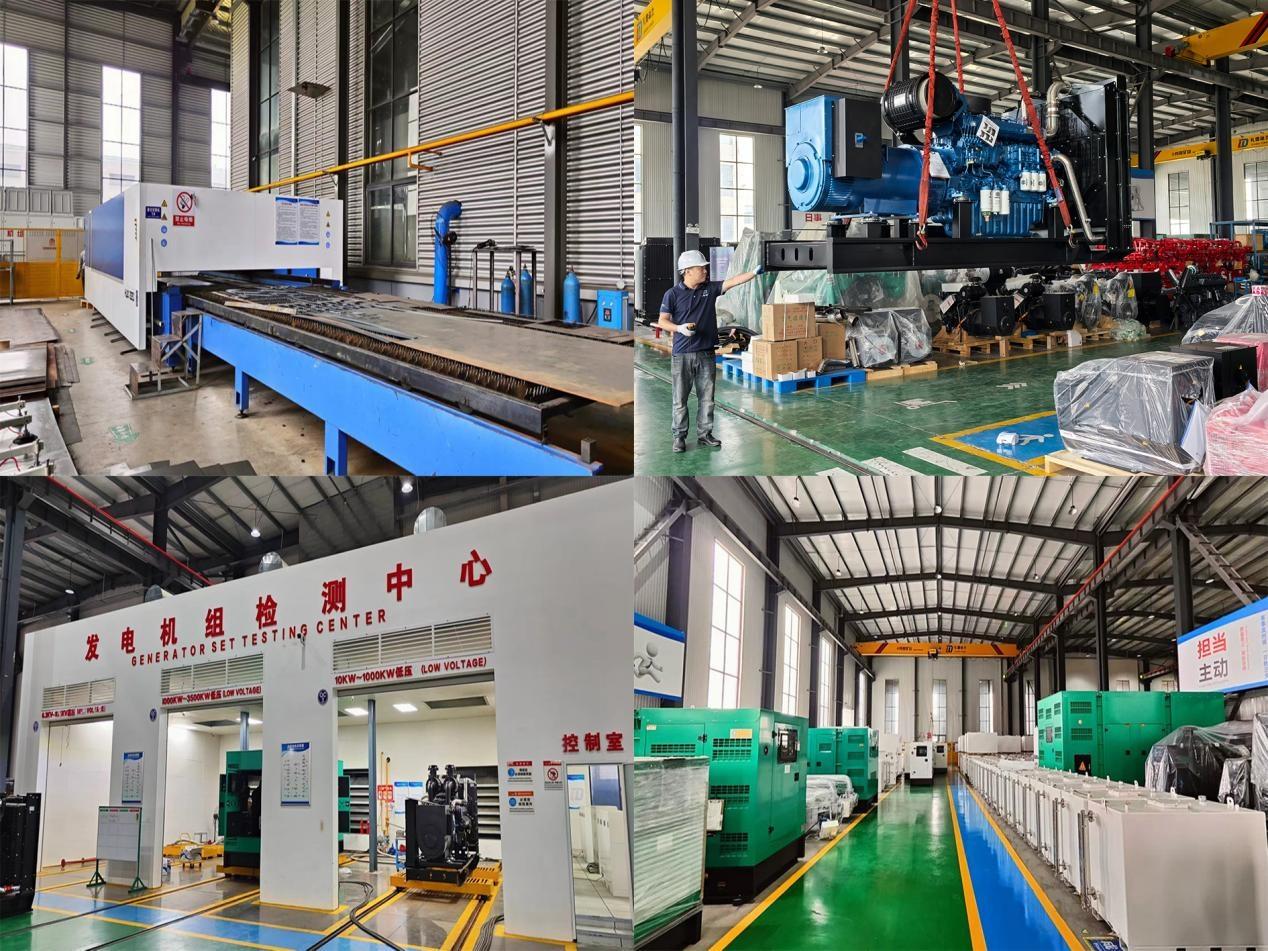
Jiangsu Keya New Energy Co., Ltd. works across biogas, natural-gas, hydrogen, methanol, LPG, solar, and wind-power solution directions. For a biogas project, the most useful vendor discussion is therefore a system discussion: characterize the gas, define the load, identify the treatment boundary, and set operating responsibilities before selecting the generating package.
Conclusion
Bio gas to electricity conversion is economically viable when a reliable fuel stream, high-value energy use, appropriate gas conditioning, and realistic operating assumptions line up. A properly selected biogas generator is an important part of that result, but it is not the business case by itself. Measure the gas, model net annual value conservatively, and choose capacity around dependable operation.
 Hot News